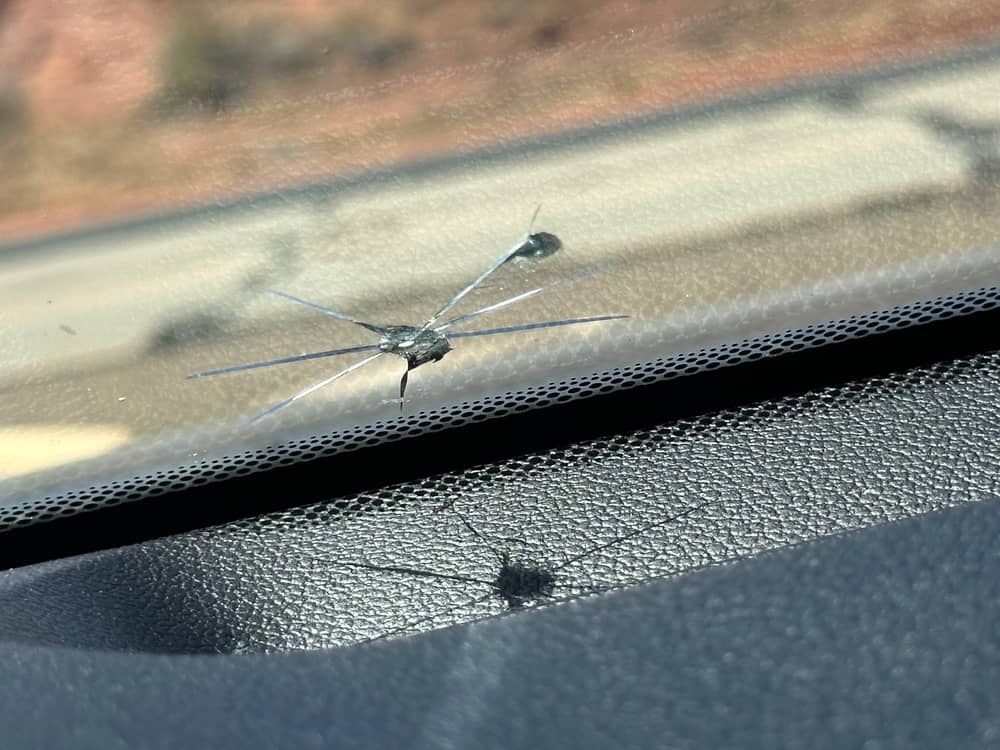
When your vehicle’s glass gets damaged, one of the first questions that comes to mind is whether to repair it or replace it entirely. While minor chips may seem harmless, the decision isn’t always straightforward. Understanding the key factors involved can help you make the right choice. If you’re considering auto glass replacement in NJ, knowing when it’s necessary versus when a repair will suffice can save both time and money.
Extent and Type of Damage
The size, depth, and location of the damage are the most important factors in determining whether repair or replacement is needed. Small chips or cracks—typically less than a few inches—can often be repaired quickly without compromising the integrity of the glass.
However, larger cracks or damage that penetrates multiple layers of the glass usually require a full replacement. If the crack continues to spread, it can weaken the windshield and make repairs ineffective.
Location of the Damage
Where the damage occurs plays a critical role in the decision-making process. If the chip or crack is directly in the driver’s line of sight, repair may not be the best option, as it could still affect visibility even after fixing.
Damage near the edges of the windshield is also more serious, as it can compromise the structural strength of the entire glass. In such cases, replacement is often the safer and more reliable solution.
Safety Considerations
Your windshield is not just a piece of glass—it’s a key component of your vehicle’s safety system. It supports the roof in case of a rollover and ensures proper airbag deployment during a collision.
In the middle of weighing your options, understanding auto glass repair vs full replacement is essential for making a safety-first decision. If the damage weakens the structural integrity of the windshield, replacement is always the recommended choice.
Time and Cost Factors
Cost and convenience are also important considerations. Repairs are generally quicker and more affordable than replacements, often taking less than an hour to complete.
On the other hand, replacements may take longer and involve higher costs, but they provide a complete solution for severe damage. While it might seem expensive upfront, replacing damaged glass can prevent further issues and additional expenses down the line.
Environmental and Weather Conditions
In regions like New Jersey, weather can have a significant impact on windshield damage. Temperature fluctuations, snow, and road salt can cause small chips to expand into larger cracks.
If you delay repairs during extreme weather conditions, the damage may worsen, leaving replacement as the only viable option. Acting promptly is key to minimizing the impact of environmental factors.
Professional Assessment Matters
While it’s helpful to understand the basics, a professional inspection is the best way to determine the right course of action. Experienced technicians can evaluate the damage accurately and recommend whether repair or replacement is more suitable.
They also ensure that the work meets safety standards, giving you peace of mind while driving.
Final Thoughts
Deciding whether to repair or replace your auto glass depends on several factors, including the severity and location of the damage, safety concerns, and environmental conditions. Taking quick action and seeking expert advice can make all the difference.
If you’re unsure about the best option, consulting a professional will help you make an informed decision that keeps your vehicle safe and road-ready.